
Procedural Content Generation
Brisbane Algorithmic World Building
Learn how algorithms create infinite worlds, natural environments, and complex systems. Master the techniques used in game development, architectural visualization, and creative technology.
Our Journey
From early experiments to comprehensive resources
What We Cover
Deep dives into algorithmic techniques that actually work
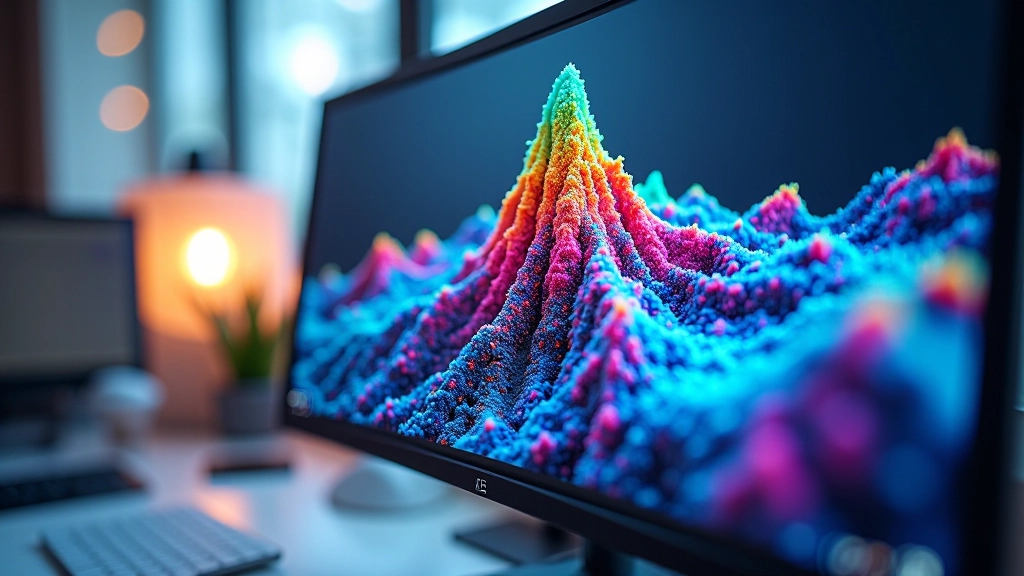
Noise Functions & Terrain
Perlin noise, Simplex noise, and fractional Brownian motion create natural-looking landscapes. We walk through the math, show you working code, and explain why different noise functions work better for different problems. You’ll understand not just how to use them, but why they produce the results they do.
City & Architecture Generation
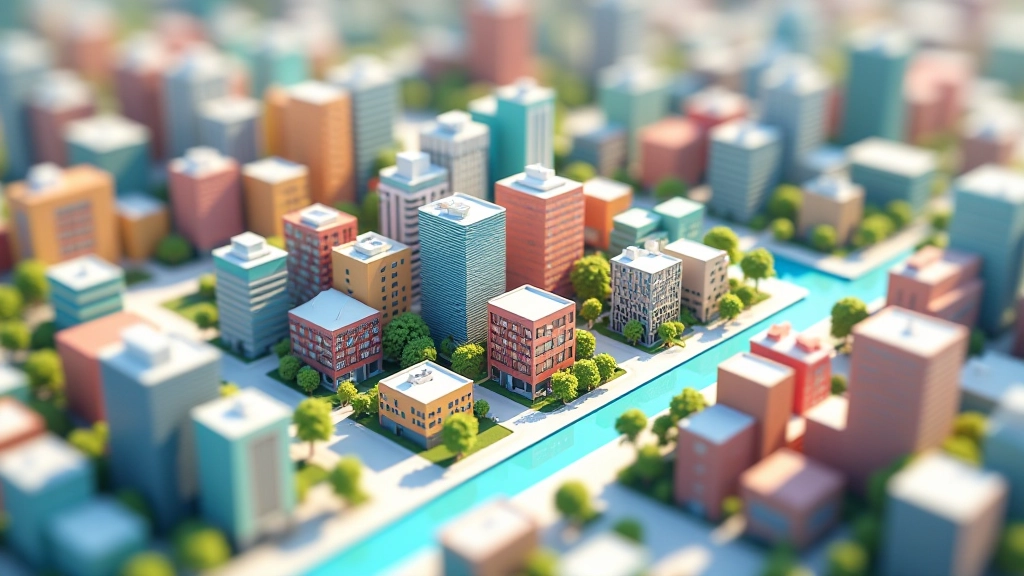
Building entire cities from algorithms isn’t just possible — it’s becoming standard in game development and architectural visualization. We cover street networks, building placement, environmental variation, and the constraints that make generated cities feel real. Brisbane studios use these exact techniques.
Organic Growth & Plants
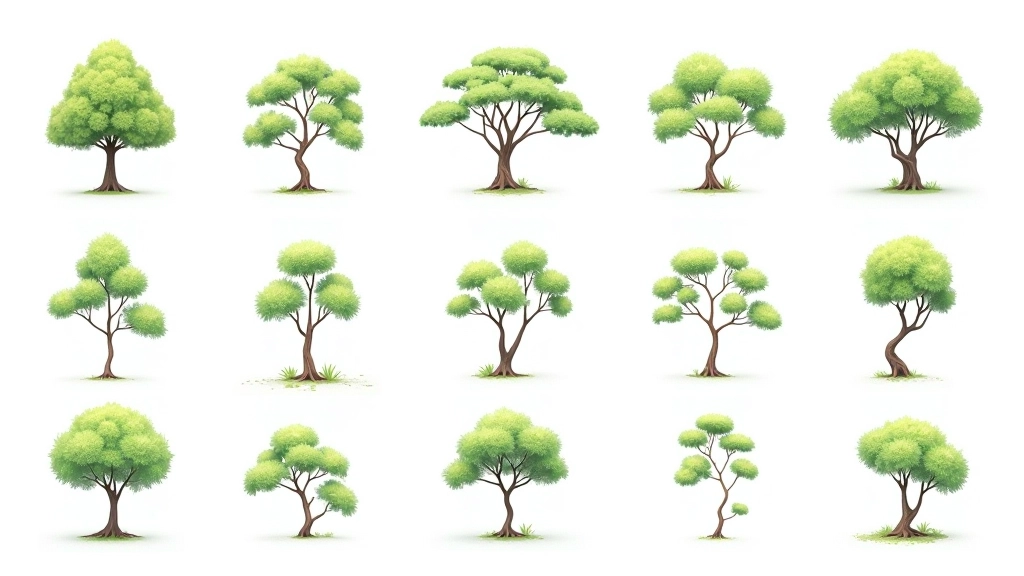
Space colonization algorithms mimic how trees and plants grow in nature. The results look convincing because they follow actual biological patterns. We’ll show you how to generate realistic vegetation, control density and distribution, and integrate it into your game worlds or visualizations.
Meet the Team
Experienced developers sharing what we’ve learned
Alex Chen
Lead Algorithm Designer
10+ years in game development. Specializes in noise functions and terrain generation. Previously worked on open-world game engines.
Jordan Blake
City Generation Specialist
Architect turned programmer. Focuses on urban layout algorithms and architectural visualization. Based in Brisbane, works with local studios.

Sam Rodriguez
Educator & Documentation
Makes complex algorithms understandable. Creates guides, tutorials, and working code examples. Passionate about teaching procedural techniques.
Our Approach
Principles that guide everything we create
Understand the Why
We don’t just show you code. We explain the mathematics and theory behind each technique. When you understand why something works, you can adapt it to your specific needs.
Practical Examples
Every concept comes with working code. We use languages like C#, Python, and JavaScript. You can run the examples, modify them, and see results immediately.
Community Focused
We learn from Brisbane’s creative tech community. Share your projects, ask questions, and collaborate with other developers exploring procedural generation.
Always Evolving
New techniques emerge constantly. We update our guides regularly with latest approaches, tools, and methods. Your knowledge stays current.
Why Learn Procedural Generation
Create infinite content without hand-crafting every asset
Reduce development time for large-scale game worlds
Build architectural visualizations that feel organic and natural
Understand the algorithms powering modern game engines
Stand out in the game dev and creative tech job market
Unlock creative possibilities you couldn’t achieve manually
Before & After
What changes when you understand procedural techniques
What Developers Say
“I wasn’t sure procedural generation was for me at first. Looked too mathematical. But the way these guides break it down, it actually clicked. Now I’m using noise functions in my game and it’s working way better than hand-crafting terrain. Plus the code examples are real — not just pseudocode.”
“The city generation guide saved me weeks of work. I’ve implemented it in two projects now. Best part? I actually understand how it works, so I can tweak it for my specific needs.”
“Honestly didn’t expect to learn this much from online resources. The combination of theory and practical code makes it stick. I’m recommending this to everyone in our studio.”
Getting Started With Perlin Noise
Learn how Perlin noise creates natural-looking terrain and environments. We’ll walk through the basics and show you working code examples.
Read Guide
Procedural City Generation: Building Worlds Algorithmically
Deep dive into creating entire cities from algorithms. Covers street networks, building placement, and environmental variation. You’ll see how Brisbane developers use these techniques for interactive games and architectural visualization.
Read Guide
Space Colonization for Plant Generation
Understand how algorithms create realistic plants and trees. This technique mimics natural growth patterns and is widely used in game development.
Read GuideExplore More
Browse resources and connect with our community
Full Guide Collection
All procedural generation guides organized by topic and difficulty level.
Browse GuidesOur Work
See projects where we’ve applied these techniques in real-world applications.
View PortfolioServices
Training, consultation, and custom development for procedural generation projects.
Learn ServicesGet in Touch
Questions about procedural generation? Ready to start a project? Let’s talk.
Contact Us